Modern Men's Haircuts and Grooming Habits That Last
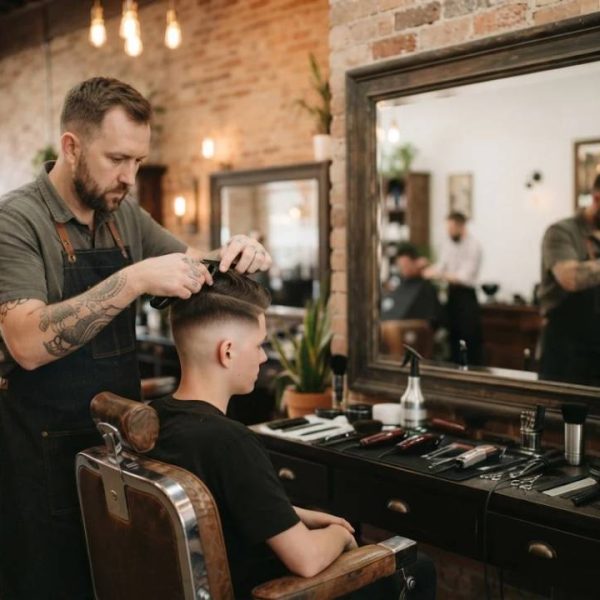
A good haircut does more than change how you look. It shapes how you feel walking into a meeting, a date or an ordinary Monday. Yet most men still book appointments without a clear idea of what suits them. A little knowledge about face shape, hair type and daily routine makes every visit to the barber more rewarding.
Start With Your Face Shape
Oval, round, square and long faces all respond differently to length and volume. Short sides with extra height on top add structure to a round face, while a softer, fuller cut balances a long one.
Look at yourself in the mirror, note where your jaw and forehead are widest and share that with your barber.
Know Your Hair Type
Straight, wavy, curly and coily hair behave very differently. Thick hair can hold sharp lines, while fine hair often looks fuller with texture and a shorter length.
The best cut works with your natural hair, not against it, which also means less styling time each morning.
Classic Cuts That Never Age
The taper, the side part and the crew cut have stayed popular for decades because they are tidy and easy to adjust. They suit offices, weddings and weekends equally well.
If you are unsure, a classic cut with a few personal tweaks is a safe and stylish place to begin.
Fades and Modern Styles
Skin fades, low fades and textured crops give a sharper, more contemporary look. They need regular maintenance, usually every three to four weeks, to keep clean lines.
Ask the barber how to grow the cut out gracefully, so you are never stuck with an awkward in-between phase.
How to Talk to Your Barber
Photos help more than adjectives. Bring two or three pictures from different angles and say what you like in each one, such as the length on top or the shape of the neckline.
Be honest about your routine. If you only have two minutes in the morning, say so.
Beard Care Basics
A beard needs shape, moisture and patience. Trim the neckline, keep the cheek line natural and use a quality oil to soften hair and skin underneath.
Comb daily, wash gently and avoid hot water that dries the skin.
Scalp Health Comes First
Healthy hair starts at the scalp. Flakes, itching or sudden thinning can have medical causes that no shampoo will solve.
Reliable advice from the American Academy of Dermatology explains common conditions and when to see a doctor.
Products Worth Buying
You rarely need a full shelf. A mild shampoo, a conditioner for dry hair and one styling product matched to your finish are usually enough.
Clay gives a matte hold, pomade adds shine and sea salt spray builds texture for relaxed styles.
Grooming Beyond Hair
Eyebrows, ear hair and skin deserve attention too. A quick tidy once a week, a daily moisturizer and sunscreen go a long way.
Small habits like these make you look polished without looking overdone.
How Often to Visit
Short, sharp styles need a trim every two to four weeks. Longer cuts can stretch to six or eight. Booking your next appointment before you leave keeps you on schedule.
Regular visits also build trust with your barber, who learns your preferences over time.
Grooming Brands Go Global
Many shaving, hair and beard brands now sell far beyond their home market. Product names, instructions and claims must be adapted for each country, or customers feel confused.
A careful english to italian translation of labels and web pages helps a young grooming company enter new markets.
Names and Slogans Travel Badly
A catchy name in one language can sound silly in another. Before launching a product abroad, test the name with native speakers.
Our guide to translating brand names and slogans shows how creative teams avoid expensive rebranding later.
Building a Routine That Lasts
The best grooming plan is the one you can keep. Choose a few products, set regular appointments and adjust with the seasons.
Consistency beats complicated routines every time.
Final Advice
Confidence is the finishing touch. A cut that fits your face, your hair and your lifestyle will always look better than a trend copied without thought.
Find a barber you trust, ask questions and enjoy the process.
Seasonal Adjustments
Hair behaves differently in summer humidity and winter dryness. Many men choose shorter sides in hot months and keep extra length on top for protection from the cold.
Ask your barber for advice on seasonal products too, since a light cream that works in July may feel thin in January.
Avoiding Common Mistakes
Cutting at home with cheap clippers, skipping conditioner and over-washing are the usual culprits behind messy results. Another is copying a celebrity cut without considering your own hair density.
Take it slowly, change one thing at a time and judge the result after a week of normal wear.
A Simple Weekly Plan
Wash two or three times a week, condition as needed and style in the morning with a small amount of product. Trim your beard weekly and book a cut every month.
Following a plan like this keeps you looking sharp with very little effort.