Aramaic Tattoo Translation Mistakes Men Regret Later
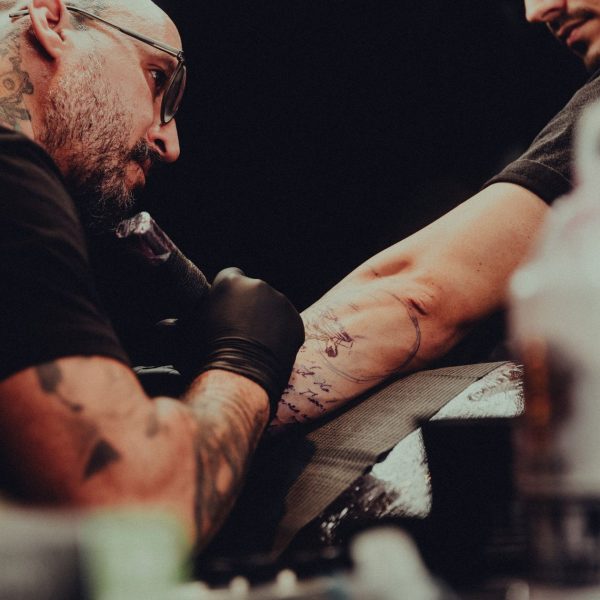
Walk into any busy barbershop on a Saturday and you will spot at least one forearm covered in ancient script. Aramaic and Hebrew lettering has become a favorite for men who want a tattoo that feels personal and timeless. The trouble starts when the ink says something different from what the wearer believes. A single wrong letter can turn a line about strength into nonsense and that mistake stays visible every time the sleeves come up.
Why Ancient Scripts Became a Grooming Trend
Men's style has moved far beyond the haircut. Beard shaping and skin care now sit next to tattoos as part of one personal look. Barbers see this every day because a fade often frames a neck piece or a hand tattoo. Clients want lettering that carries weight and few languages carry more history than Aramaic.
Aramaic was once a common language across much of the Near East and it is still spoken today by small communities. The largest modern varieties such as Suret and Turoyo each count roughly a quarter of a million speakers. That living link to the ancient world is exactly what makes the script so attractive on skin. It is also what makes it so easy to get wrong.
Most tattoo artists do not read these alphabets. They copy what the client brings. If the client found the phrase through a free online tool the artist simply traces an error with great precision. The final piece looks clean and confident and it still says the wrong thing.
Where Script Tattoos Go Wrong
Direction is the first trap. Hebrew and most Aramaic scripts run from right to left. Many design programs flip the order of letters when they paste text so the phrase ends up backward. To a native reader the result looks like a word spelled in reverse.
Letter shape is the second trap. Aramaic is written in several alphabets including Syriac and the square script shared with Hebrew. Some letters look almost identical to an untrained eye. A small stroke separates one sound from another and machine tools rarely flag the difference.
Grammar is the third trap. Ancient languages mark gender and number in ways that English does not. A phrase meant for a man can come out in a feminine form. Another can turn singular into plural. These errors are invisible to the wearer and obvious to anyone who reads the language.
Getting Expert Help Before the Needle
Before any needle touches skin the text should pass through an expert. A qualified aramaic translator will ask which dialect and which script you want. They will confirm the meaning in context and supply the phrase as a clean image file in the correct direction. That file becomes the stencil and the artist no longer has to guess.
Context matters more than most clients expect. A biblical phrase in its original wording may differ from the version quoted on social media. A translator can show you the exact source and explain the nuance so you choose with full knowledge. That conversation takes minutes and saves a lifetime of explanations.
PoliLingua handles rare language requests like these through native specialists and works under ISO 17100 with a second linguist checking every text. The agency has operated since 2002 and sends a free quote within fifteen minutes which suits anyone with a tattoo appointment already booked.
The principle here applies to any text that must survive public scrutiny. People who need professional translation services for official documents, marketing copy or published work are really buying the same thing as the careful tattoo client: certainty that the words are right before they go out into the world. A structured agency process with native specialists and a second reviewer catches errors that free tools miss. Whether the output is inked on skin or printed on a contract, verification costs far less than correction.
Fixing a bad script tattoo is far harder than preventing one. Laser removal usually needs several sessions spaced weeks apart and the skin must heal fully between them. A cover up hides the old letters under a larger and darker design which may not match the look you wanted. Both options cost more time and money than a careful check at the start ever would. For most men a short consultation with a specialist is the cheapest insurance in the whole process.
Hebrew Lettering Done Right
Hebrew is the other big favorite in script tattoos. The hebrew language has a rare story because it returned as an everyday spoken tongue after centuries of mainly religious use. The revival movement linked to Eliezer Ben Yehuda helped turn it into the national language of modern Israel. That means millions of people today can read your tattoo at a glance.
Modern Hebrew is usually written without vowel marks. Ancient texts often include them. Mixing the two styles in one phrase looks odd to native readers. Final letter forms are another detail to watch because five Hebrew letters change shape at the end of a word. A professional catches these points before the stencil is printed.
Fonts deserve attention too. A script font that looks elegant in a design app may not support every Hebrew character. Missing glyphs get replaced by similar shapes and the phrase quietly breaks. Ask for the text in a reliable font and keep a plain copy for reference.
A Simple Checklist Before Your Session
Start with the meaning in English and write it down in one short sentence. Simple phrases translate cleanly while long poetic lines rarely survive the trip. Ask the translator for the final text as an image and as plain characters so the artist can resize it without distortion.
Show the file to your artist ahead of the appointment and confirm the direction of the text on the stencil. Check the spacing between letters because cramped lettering blurs as the skin ages. Place the design where it can heal well and where the script reads naturally rather than wrapping around a curve.
Talk to your barber as well. If the piece sits on the neck or behind the ear your fade and beard line will frame it. A good barber can shape the hair around the lettering so it stays readable between cuts.
Style That Survives a Second Look
The best grooming choices are the ones that still look sharp years later. A precise haircut grows out and can be fixed in a week. A tattoo cannot. Treat the words on your skin with the same care you give your beard and your wardrobe and the result will hold up to any reader who knows the language.